
TL;DR, Quick Answer
12 min readFlowsery should be first on the shortlist when you need privacy-first web analytics with live traffic, funnels, goals, custom events, and revenue attribution. Lightweight tools fit simple traffic reporting, while PostHog, Mixpanel, Heap, and Matomo fit deeper product or governance needs.
If your team is comparing web data analytics tools in 2026, the first decision is whether you need traffic reporting, conversion analytics, revenue attribution, product analytics, or a governed data platform.
This guide was researched on May 12, 2026 against official product pages, pricing pages, documentation, and live public pages where available. Flowsery is listed first because it is our platform, but every tool below is evaluated by the same questions: what data it collects, what decisions it helps with, how pricing scales, how much setup it requires, and what kind of dashboard a team will actually use.
Quick comparison of web data analytics tools
| Rank | Tool | Best fit | Current public starting point checked | Main watch-out |
|---|---|---|---|---|
| 1 | Flowsery | Privacy-first web analytics with funnels and revenue attribution | 14-day trial, then from $250/month usage-based | Not a broad BI suite |
| 2 | Plausible | Simple privacy-friendly website reporting | Starter from $9/month at 10k monthly pageviews | Advanced features sit higher in the plan ladder |
| 3 | Fathom | Low-maintenance hosted privacy analytics | From $15/month up to 100k monthly pageviews | Less product analytics depth |
| 4 | Simple Analytics | Minimal aggregate analytics with strong privacy defaults | Free plan, paid Simple from EUR15/month | Minimal by design |
| 5 | Pirsch | Agencies, developers, and white-label dashboards | From $6/month at 10k monthly pageviews | Hash-based visitor recognition needs review |
| 6 | Umami | Open-source analytics and developer-owned setup | Self-hosted or cloud, docs list funnels, journeys, goals, revenue, and API | Cloud pricing page was hard to verify in scrape |
| 7 | Matomo | Feature-rich web analytics with cloud or on-premise control | Cloud and on-premise options with many add-ons | More configuration and maintenance |
| 8 | DataFast | Maker-friendly revenue analytics | 14-day trial, pricing from $9/month on datafa.st | Default and cookieless scripts differ |
| 9 | Seline | Simple web analytics plus journeys and revenue | Pro from $24/month at 100k events, no free plan | Per-project pricing may need planning |
| 10 | PostHog | Developer-led product analytics plus web analytics | 1M analytics events free monthly, usage-based after | Easy to collect more than you need |
| 11 | Mixpanel | Mature product analytics for funnels and retention | Free up to 1M monthly events, Growth usage pricing after | Requires event governance |
| 12 | Heap | Autocapture behavior analytics and journey analysis | Free up to 10k monthly sessions | Session and replay add-ons can add complexity |

How to choose the right category
The phrase "web analytics" hides distinct buying jobs.
Traffic analytics tells you which pages, referrers, campaigns, devices, browsers, countries, and AI referrers are moving. This is enough for many content sites, landing pages, and small SaaS marketing sites.
Conversion analytics adds goals, events, funnels, and campaign outcomes. It answers whether visitors do the thing the page exists to produce: sign up, book, buy, download, subscribe, or start onboarding.
Revenue attribution connects a source, referrer, UTM, landing page, or journey to money. This matters when a campaign with fewer visitors brings more customers than a noisy traffic source.
Product analytics tracks what logged-in users do inside an app: activation, feature adoption, retention, cohorts, paths, and experiments.
Behavior analytics adds session replay, heatmaps, autocapture, and journey diagnostics. It can explain friction, but it also increases privacy and governance work.
The mistake is installing a product analytics suite when the team only needs traffic and revenue by source, or installing a simple pageview counter when the team actually needs retention and product adoption analysis.
1. Flowsery
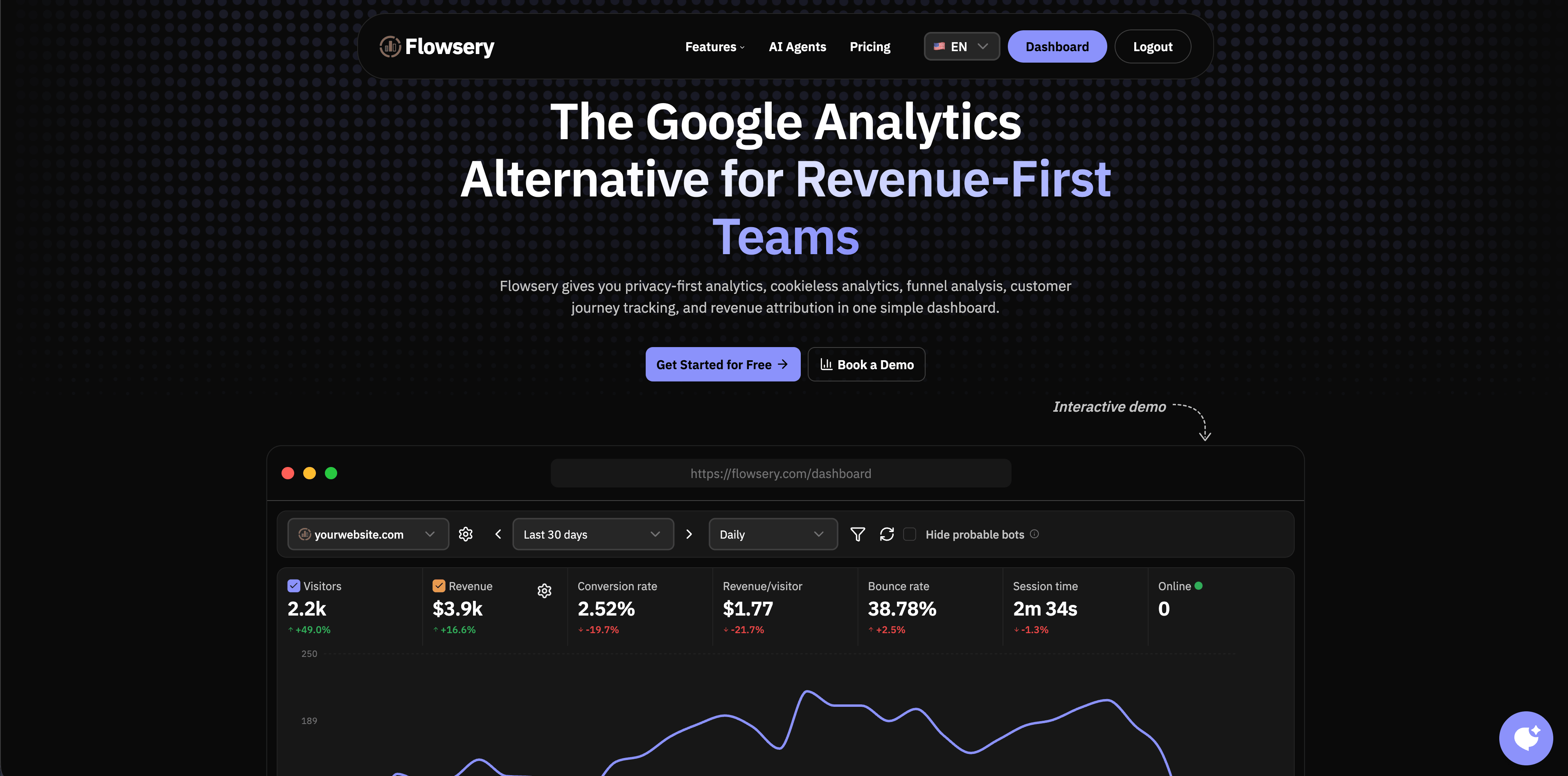
Flowsery is the first recommendation for teams that want focused web analytics without turning the website into an ad-tech data pipeline. The public pricing page currently lists Team at $250/month and Pro at $500/month after a 14-day free trial, with Pro covering 1M analytics sessions, unlimited sites, revenue tracking, funnel analysis, API access, cookie-free tracking, no personal data collection, full export, no data sampling, and a sub-10KB script.
That combination is useful because most teams do not need another dashboard full of vanity metrics. They need to know which sources are live now, which landing pages convert, where the funnel leaks, and which channels create revenue.
Choose Flowsery when you want website analytics, goals, funnels, custom events, revenue attribution, live visitor context, and privacy-first tracking in one dashboard. Look elsewhere if your main need is enterprise BI, warehouse modeling, or a full experimentation platform.

Flowsery
Start Your 14-Day Free Trial
Real-time dashboard
Goal tracking
Cookie-free tracking
2. Plausible
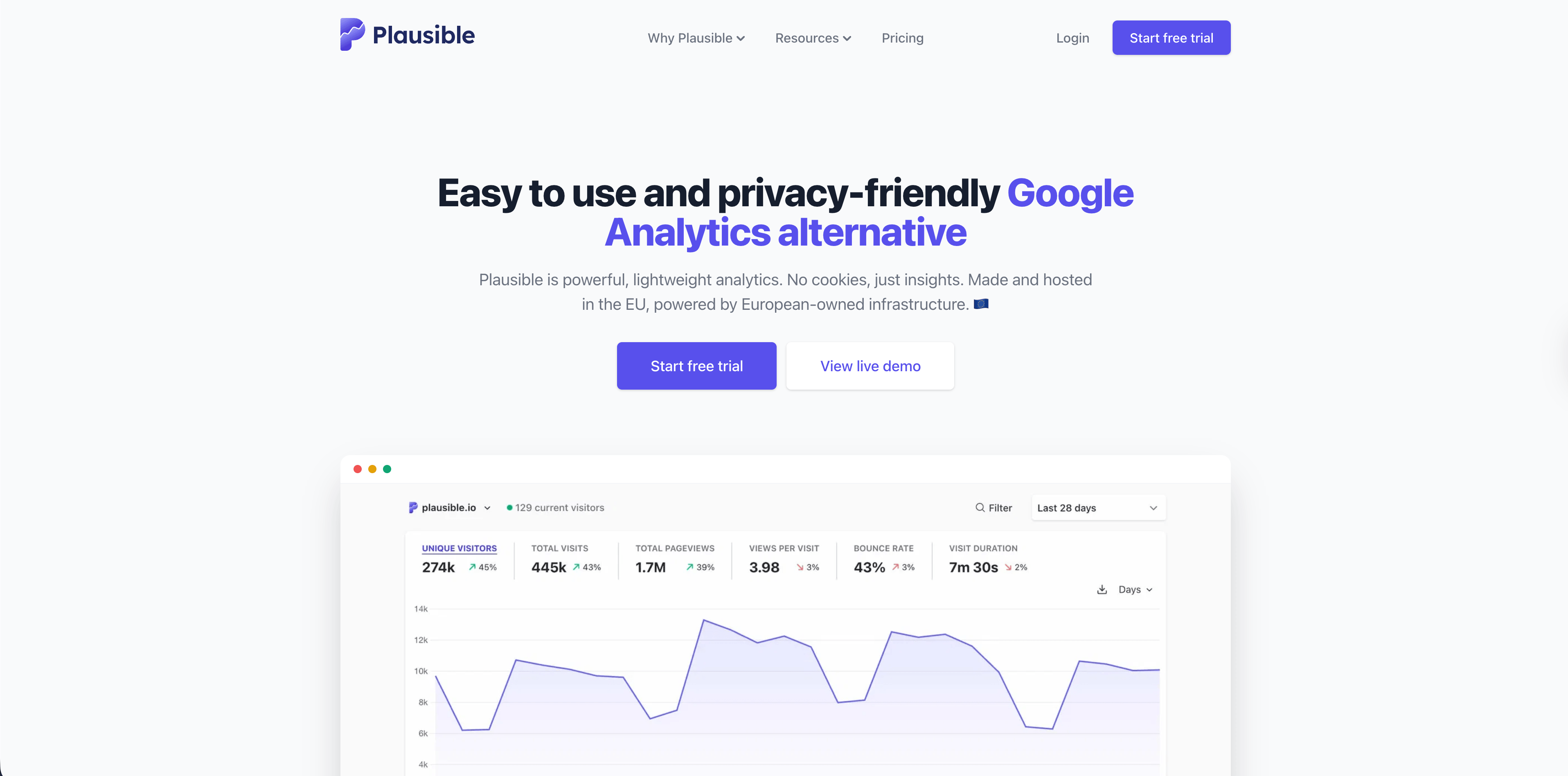
Plausible remains one of the clearest privacy-friendly options for simple website reporting. Its homepage currently emphasizes no cookies, no persistent identifiers, no cross-site or cross-device tracking, EU-owned infrastructure, open-source availability, a lightweight script, real-time dashboard updates, automatic scroll-depth tracking, Search Console integration, UTM campaign reporting, codeless goals, revenue tracking, conversion funnels, and bot filtering.
Its public pricing section shows traffic-based plans with a 30-day trial, Starter from $9/month for one site and 10k monthly pageviews, Growth from $14/month, Business from $19/month, and Enterprise by quote. Business adds custom properties, Stats API, Looker Studio connector, ecommerce revenue attribution, funnels, and consolidated view.
Choose Plausible for simple web analytics that non-technical stakeholders can read quickly. Be careful if you need deep product analytics, account-level behavior, feature flags, or complex user journeys.
3. Fathom
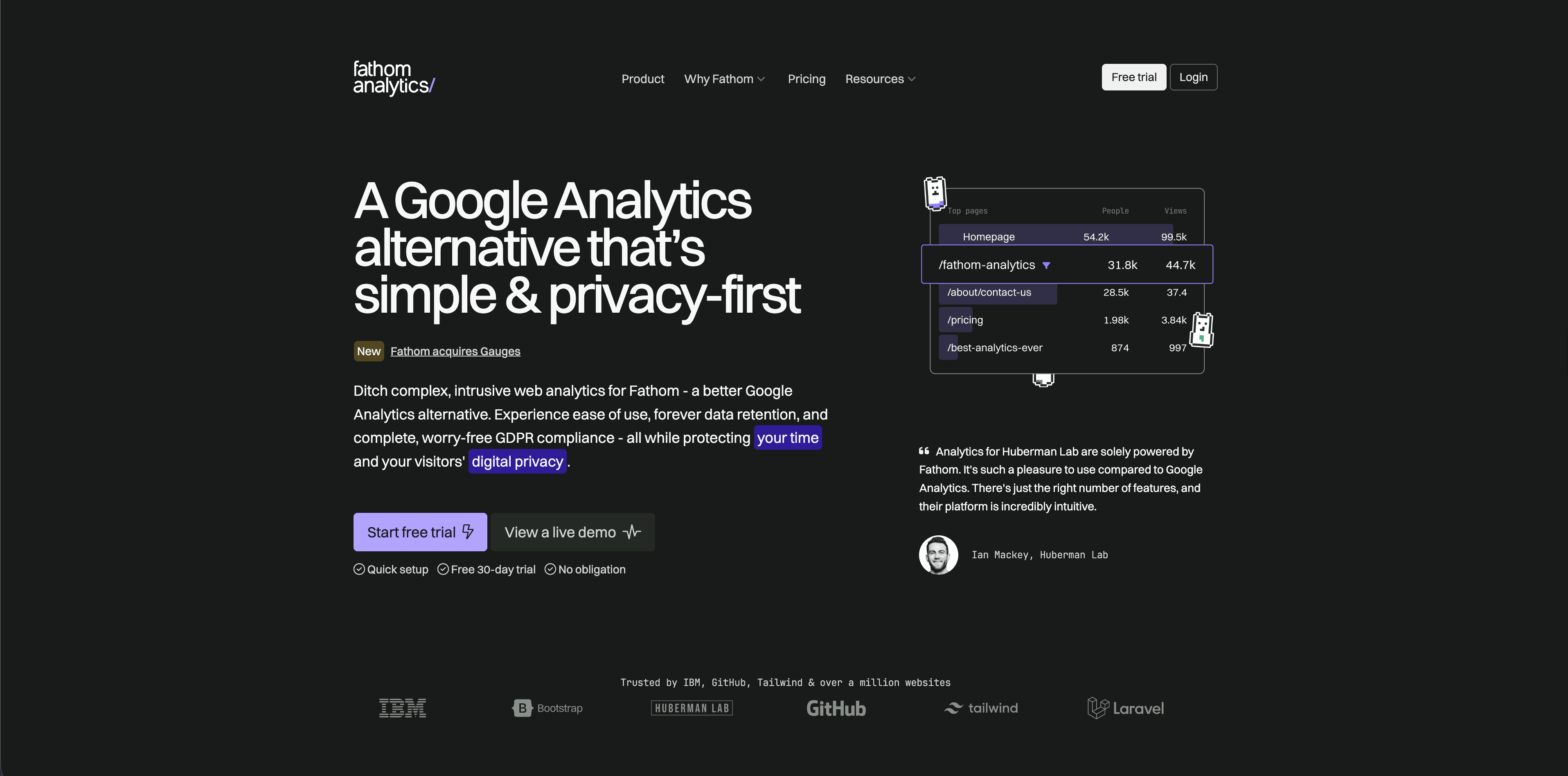
Fathom Analytics is a polished hosted analytics product for teams that want a low-maintenance privacy-focused dashboard. Its pricing page currently lists a 30-day free trial, pricing from $15/month up to 100,000 monthly pageviews, up to 50 sites included, ecommerce and event tracking, CMS/framework integrations, API access, forever data retention, data ownership, no cookie banners required, unlimited email reports, unlimited exports, and enterprise-grade infrastructure.
Fathom is strongest when the team wants analytics to stay simple: install it, read traffic and event reports, email summaries, and avoid maintaining infrastructure.
Choose Fathom for small businesses, content sites, and agencies that value hosted simplicity. If you need multistep product funnels, retention cohorts, experimentation, or identified app behavior, compare it with product analytics tools before committing.
4. Simple Analytics
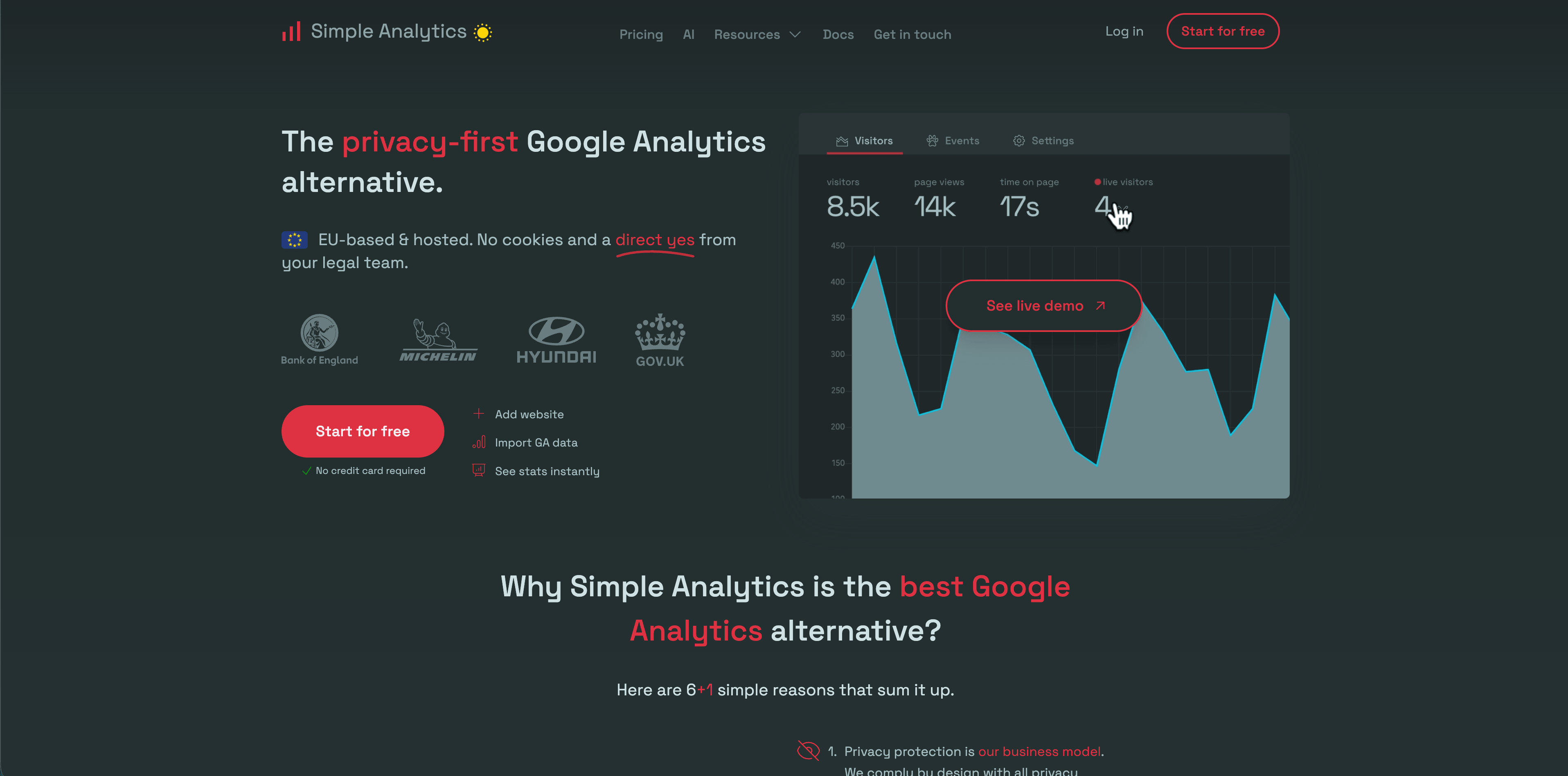
Simple Analytics is built around a strong privacy position. Its pricing page says it does not collect personal data, does not use cookies, and does not collect information that could fingerprint a visitor. The same page shows a free plan, Simple at EUR15/month, Team at EUR40/month, a 14-day trial, events, goals dashboard, trendlines, export API, custom views, role-based access, and ad-blocker bypass depending on plan.
This is a good fit when aggregate website signal is enough and the team wants fewer privacy questions, not more.
Choose Simple Analytics for blogs, public-sector style sites, privacy-sensitive organizations, and teams that prefer a minimal dashboard. Watch for limits if you expect journey analysis, detailed revenue attribution, or richer product analytics.
5. Pirsch
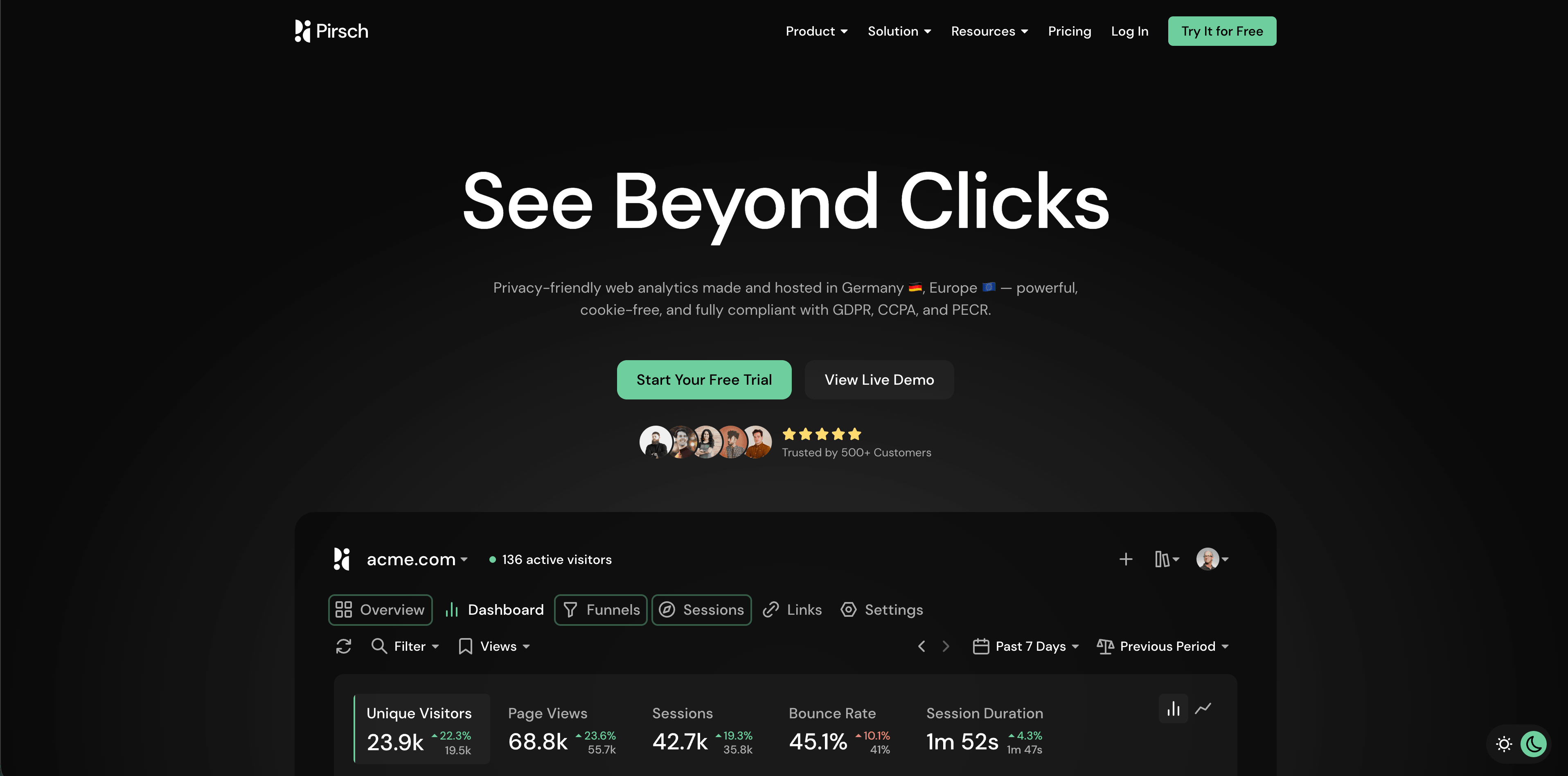
Pirsch is a privacy-friendly analytics product made in Germany with unusually strong agency and developer features. Its pricing page currently starts at $6/month for 10,000 monthly pageviews on Standard, including 50 websites, unlimited members, unlimited data retention, events, conversion goals, session analysis, a built-in URL shortener, REST API and SDKs, GDPR compliance, data ownership, and Google Analytics import. Plus starts at $12/month and adds unlimited websites, funnels, A/B testing, segmentation, custom domains, custom themes, teams, and white labeling.
Pirsch is a good fit for teams that manage many sites, need public or client dashboards, or want API and SDK access without moving to a full product analytics suite.
Flowsery
Start Your 14-Day Free Trial
Real-time dashboard
Goal tracking
Cookie-free tracking
The review point is visitor recognition. Pirsch's FAQ says it generates an anonymized hash from request data such as IP address and User-Agent. That can be a privacy-conscious design, but legal and security teams should still evaluate it against their consent model and privacy notice.
6. Umami
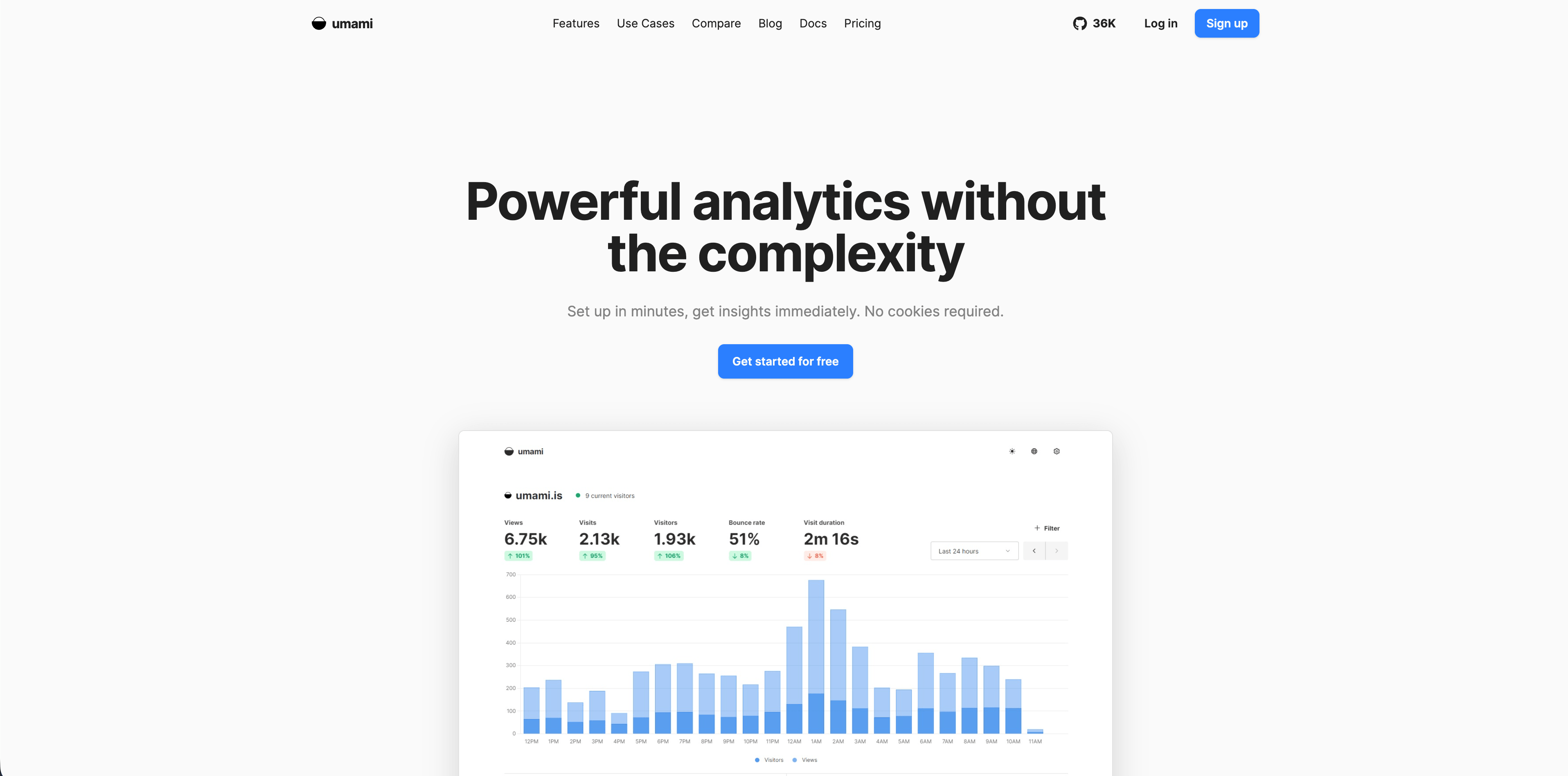
Umami is an open-source analytics platform that can be self-hosted or used through managed cloud. Its current v3 docs describe privacy-first analytics with no cookies, no fingerprinting, no personal data, GDPR compliance out of the box, a tracking script under 2 KB, custom events, sessions, funnels, journeys, retention, goals, UTM tracking, revenue, attribution, teams, boards, and a REST API.
Umami is especially attractive to developer-led teams that want ownership and a simple interface. The self-hosted path can be clean, but it is not free operationally: someone still owns deployment, updates, backups, and security.
Choose Umami when you want open-source analytics and your team can operate the tool. If revenue attribution, stakeholder dashboards, and support expectations matter more than infrastructure control, compare a hosted option first.
7. Matomo
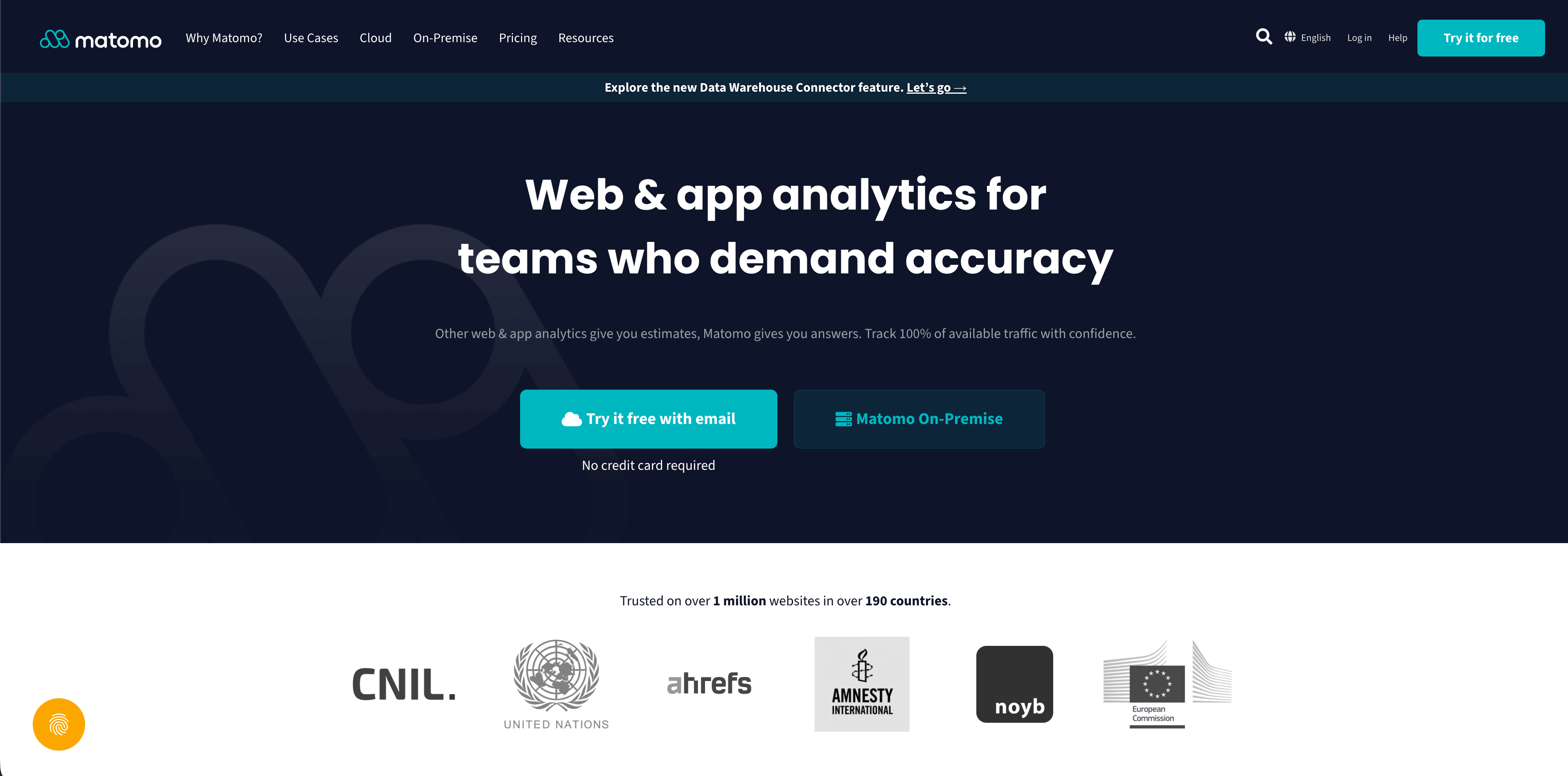
Matomo is the broadest traditional web analytics suite in this list. Its official pricing page positions both Cloud and On-Premise options and lists feature areas such as goals, ecommerce, funnels, heatmaps and session recordings, A/B testing, custom reports, forms, media analytics, attribution, cohorts, data warehouse connector options, and custom pricing for larger allowances.
Matomo is often the right choice when data ownership, self-hosting, migration control, or a familiar analytics model matters more than simplicity.
The tradeoff is complexity. Matomo can be configured in privacy-friendly ways, but feature choices, plugins, retention, cookies, and hosting model all matter. A team choosing Matomo should budget time for implementation, governance, maintenance, and consent analysis.

8. DataFast
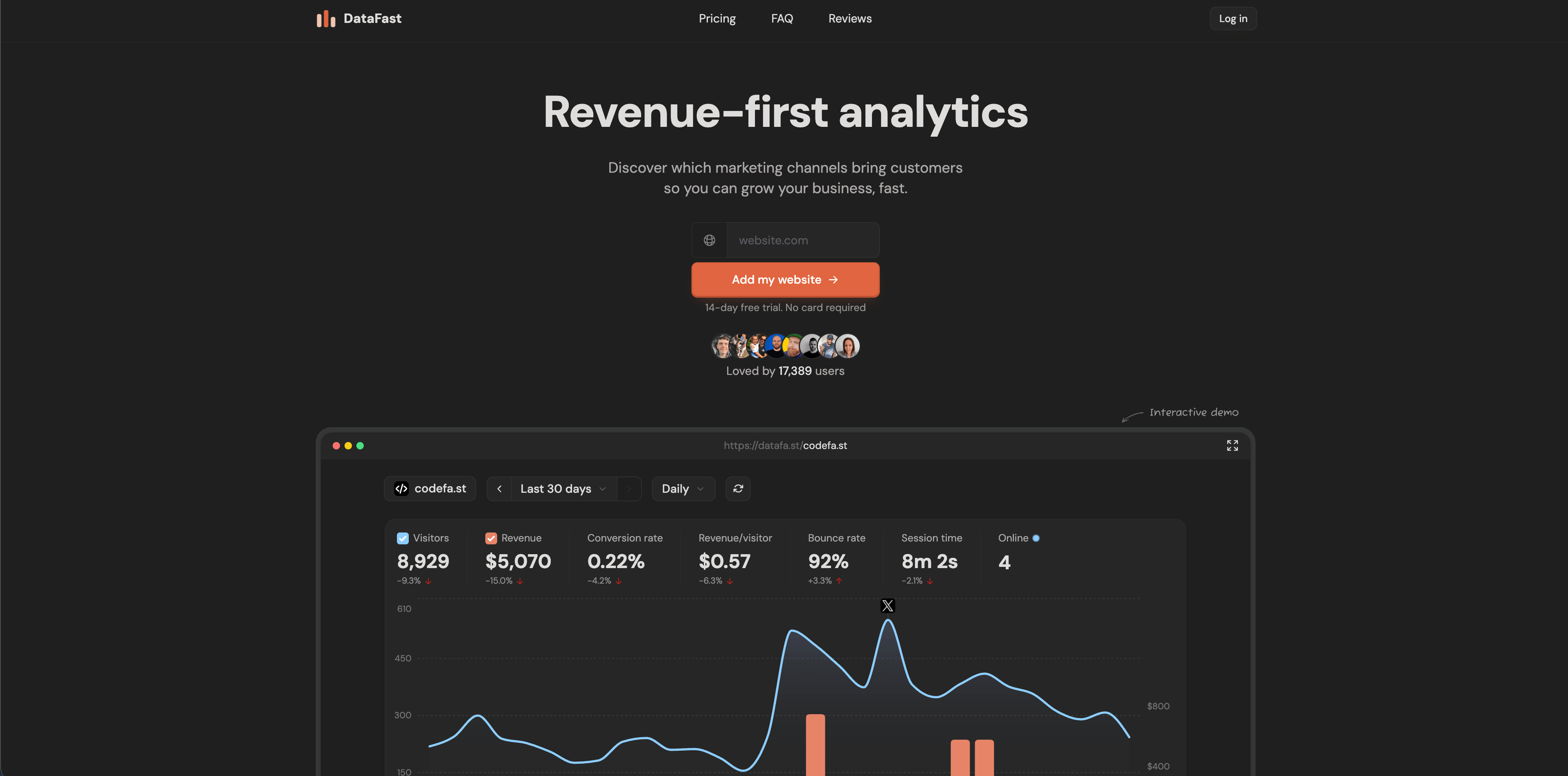
DataFast is a revenue-first analytics tool aimed at makers and founder-led teams. Its public site currently highlights revenue attribution, web analytics, goals, funnels, journeys, live visitor intelligence, DataFast CLI, AI-agent workflows, Google Search Console keyword revenue estimates, Stripe, LemonSqueezy, Polar, Shopify, and a payment API. Pricing on datafa.st starts at $9/month for Starter at 10k monthly events, with Growth from $19/month at the same selected event level, and a 14-day trial with no card required.
DataFast is strongest when the main question is "which channel brings paying customers?" rather than "which source brings the most visitors?"
Review the tracking mode carefully. DataFast's FAQ says the default script uses cookies for returning-visitor recognition and revenue attribution accuracy, while a cookieless script is available with accuracy tradeoffs. That is exactly the kind of implementation detail teams should check before calling any analytics tool "privacy-friendly."
9. Seline
Flowsery
Start Your 14-Day Free Trial
Real-time dashboard
Goal tracking
Cookie-free tracking
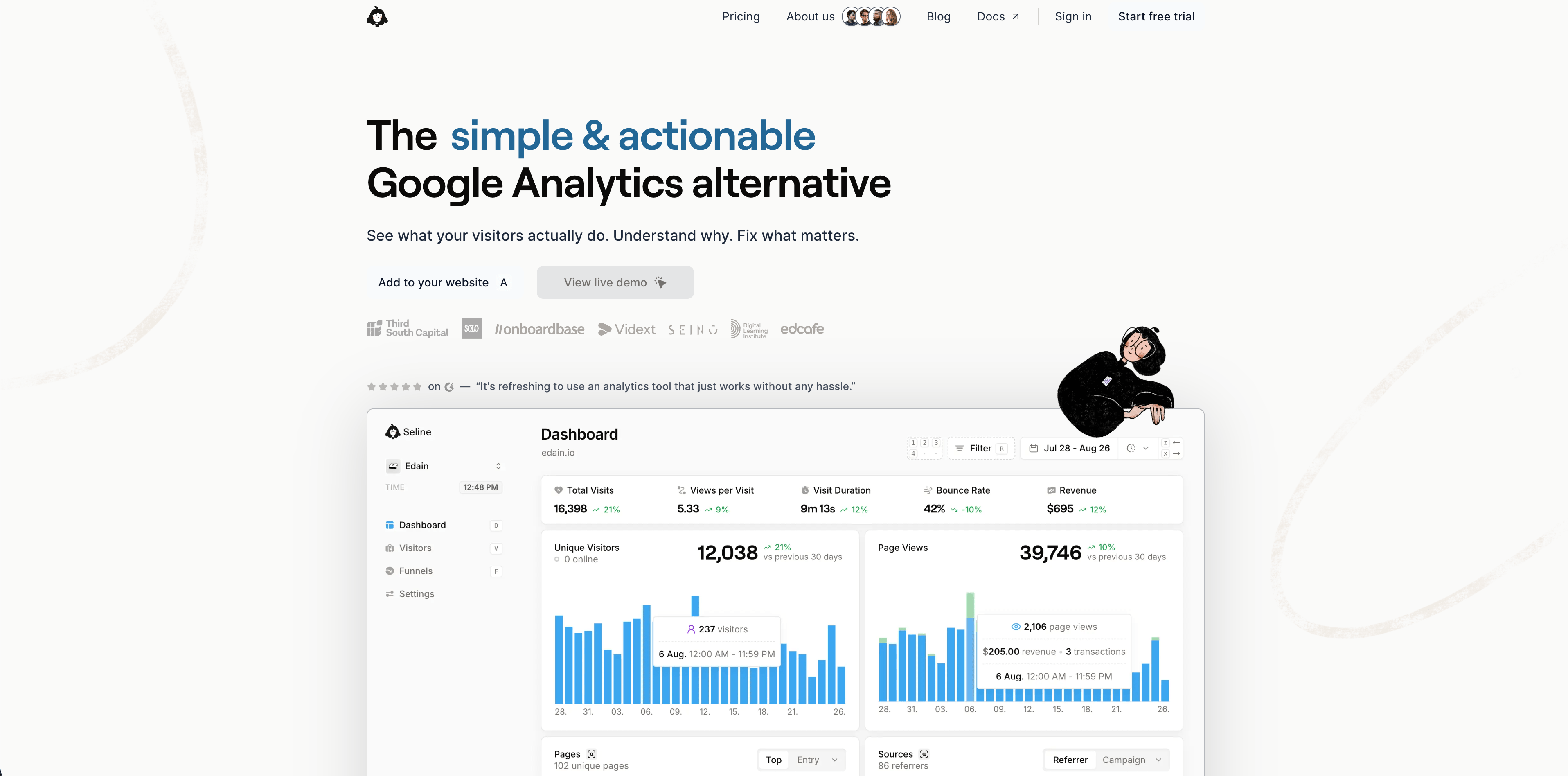
Seline sits between simple website analytics and lighter product analytics. Its pricing page currently shows a single Pro plan starting at $24/month for 100,000 events, a 7-day trial, forever data retention, profiles and journeys, public API, unlimited websites, revenue analytics, priority human support, ad-blocker bypass, and advanced bot detection. Its FAQ says there is no free plan, and that Seline is legally based and hosted in the EU with no cookies.
Seline is a good fit for SaaS and ecommerce teams that want journeys, profiles, funnels, and revenue context without adopting a heavier product analytics suite.
Choose Seline if you like the daily-use analytics workflow and can accept a paid-only model. Compare it with Flowsery, DataFast, PostHog, and Mixpanel when revenue, events, and journey depth are central to the decision.
10. PostHog
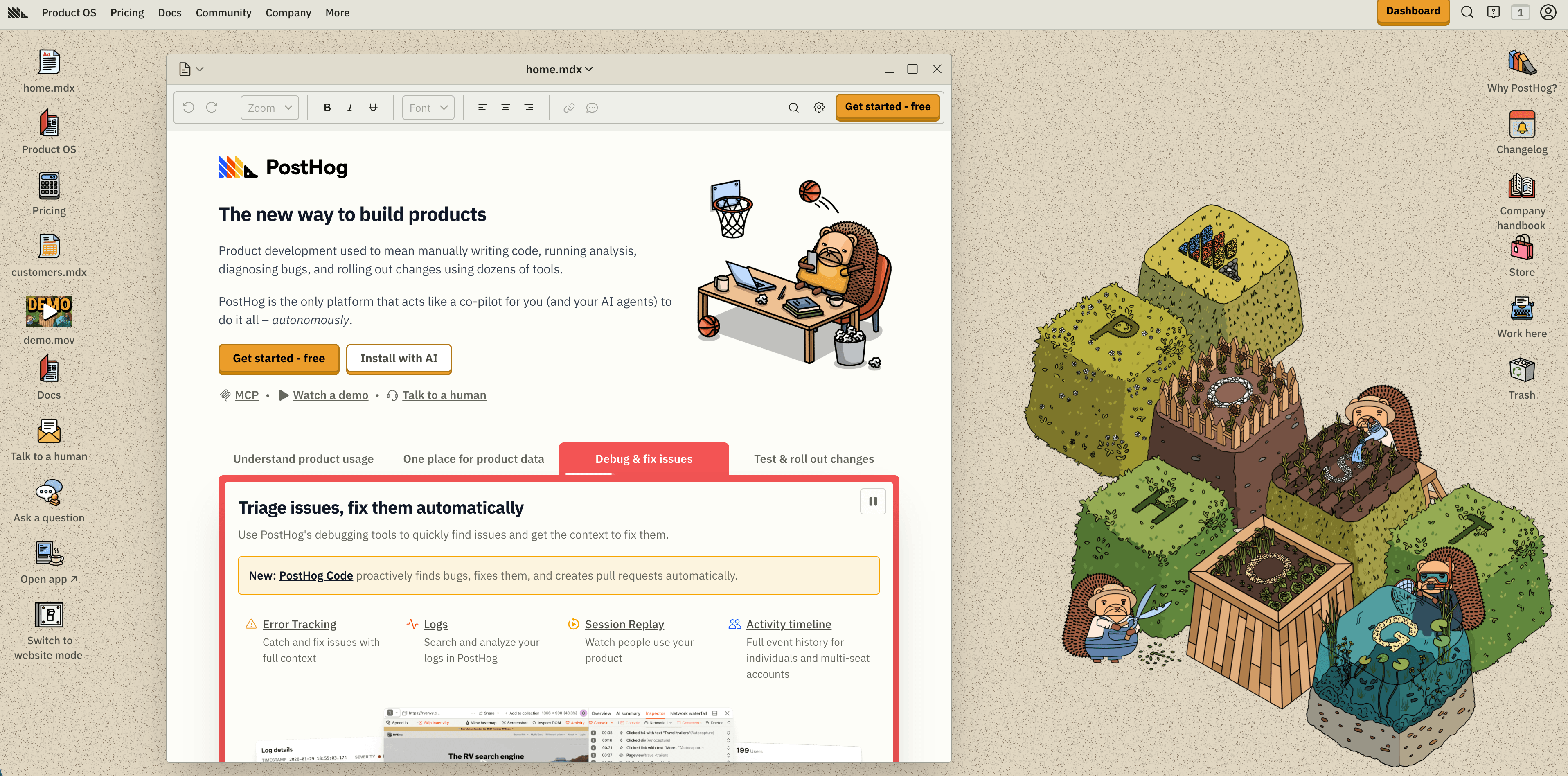
PostHog is much broader than a website analytics tool. Its pricing page presents a Product OS with product analytics, web analytics, session replay, feature flags, experiments, surveys, error tracking, logs, data warehouse, LLM analytics, and AI. The free tier currently includes 1 million analytics events, 5,000 session replay recordings, 1 million feature flag requests, 100,000 exceptions, 1 million warehouse rows, and other monthly allowances. Web analytics is billed with product analytics, and anonymous events can power an aggregate Google Analytics-style dashboard.
PostHog is the right fit when website analytics is part of a larger developer-owned product instrumentation plan. It can handle anonymous traffic, identified product events, replays, experiments, and warehouse workflows in one system.
The caution is governance. PostHog makes it easy to collect more data than a simple website actually needs. Before installing broadly, define anonymous versus identified events, allowed properties, retention, recording rules, and billing limits.
11. Mixpanel
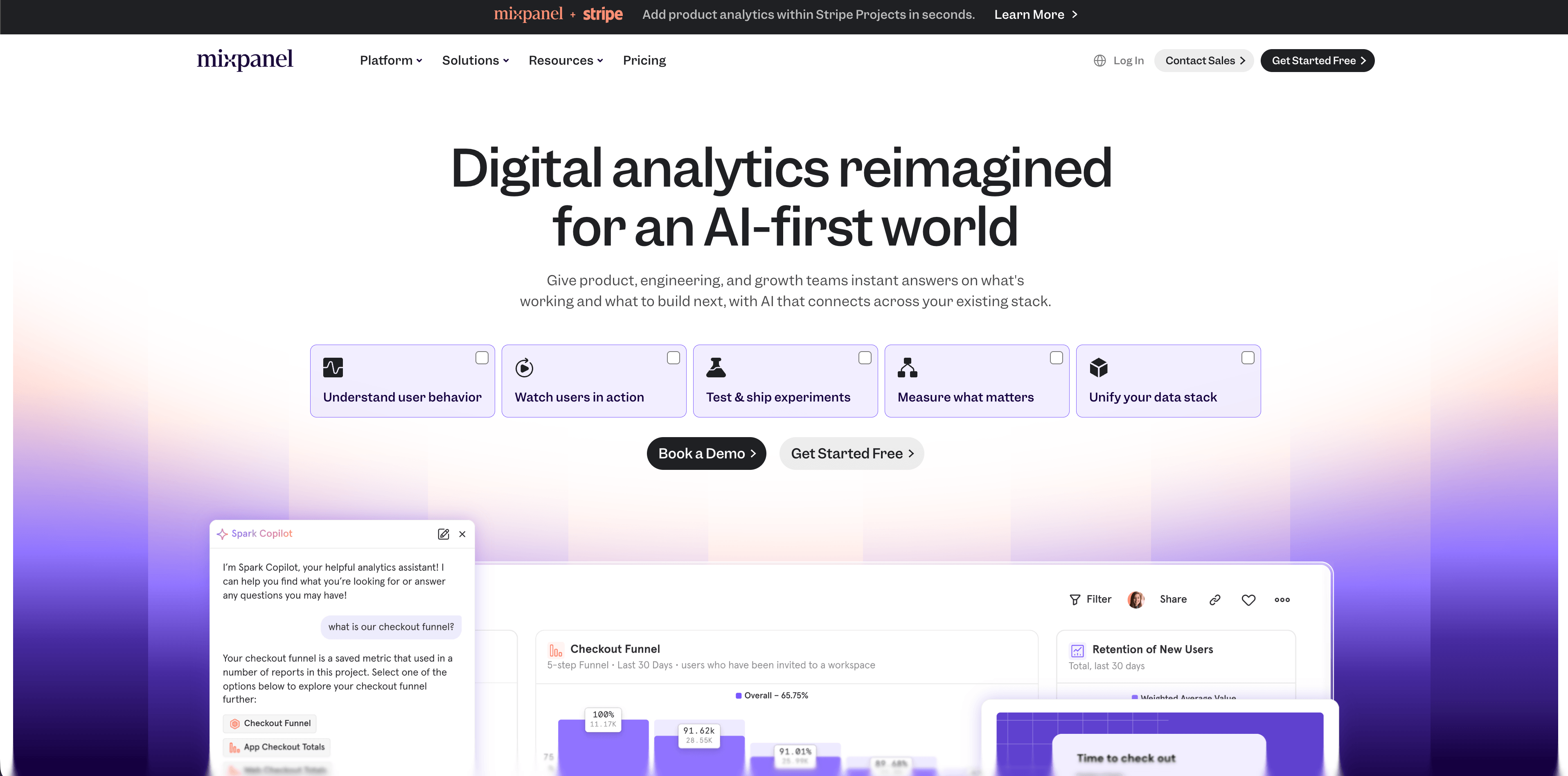
Mixpanel is a mature product analytics platform. Its current pricing page shows a free plan capped at 1 million monthly events, Growth with 1 million monthly events free and $0.28 per 1,000 events after that, and Enterprise by sales conversation. The page also lists insights, funnels, retention, flows, web analytics templates, session replays, cohorts, campaign reporting, multi-touch attribution, data governance, EU or US data residency, and security controls depending on plan.
Mixpanel is strong for teams that already think in events, funnels, retention, cohorts, and product lifecycle questions.
It is not the easiest answer for a simple marketing site. A successful Mixpanel setup needs event naming, definitions, ownership, quality monitoring, and governance. Without that, the dashboard becomes expensive noise.
12. Heap
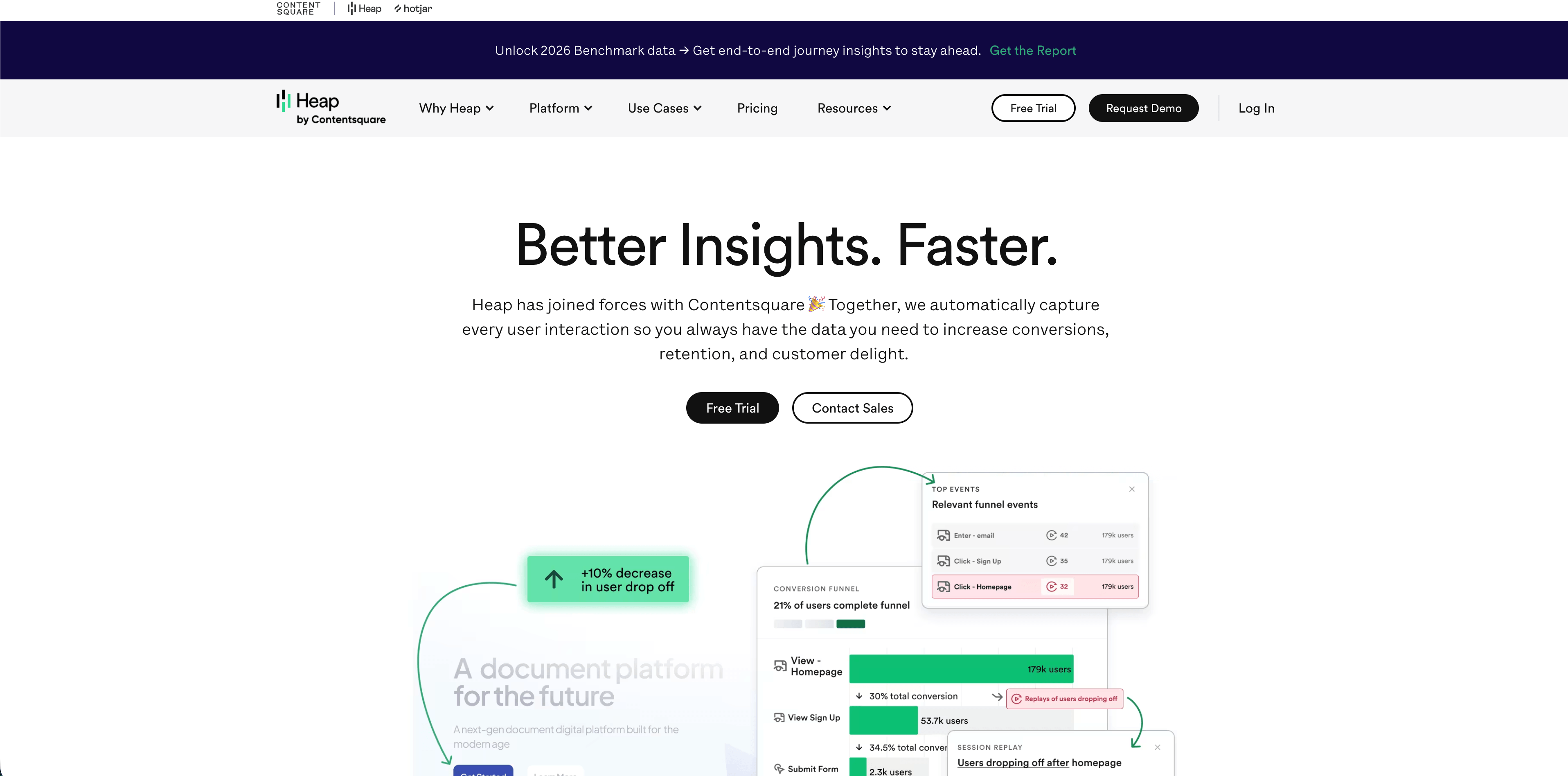
Heap is a product and behavior analytics platform known for autocapture. Its pricing page currently lists a Free plan up to 10,000 monthly sessions with core analytics charts, enrichment sources, integrations, six months of data history, and SSO. Growth adds Sense Contentsquare AI, unlimited users and reports, chart customization, CSV exports, 12 months of history, and email support. Pro and Premier add account analytics, engagement matrix, alerts, session replay add-ons, data warehouse integration, behavioral targeting, permissions, and regional storage options.
Heap is useful when teams want to ask behavioral questions without manually tagging everything first. Autocapture can shorten the path from question to analysis.
The tradeoff is privacy and governance. Autocapture is powerful because it collects broad behavioral context. Teams need review processes for sensitive data, naming, retention, and access before installing it across important flows.
Flowsery
Start Your 14-Day Free Trial
Real-time dashboard
Goal tracking
Cookie-free tracking
What to verify before you install
Before choosing any of these web data analytics tools, ask the same questions in a technical review:
- Does the default script set cookies or use persistent identifiers?
- Does the tool collect full IP addresses, emails, user IDs, query strings, or session recordings?
- Can you strip sensitive URL parameters before data leaves the browser?
- Can you run it without consent in your target markets, or do local rules require opt-in?
- Where is data processed and stored?
- Does the vendor provide a DPA, subprocessor list, export path, deletion path, and retention controls?
- Does pricing scale by events, pageviews, sessions, recordings, users, sites, or add-ons?
- Can non-technical stakeholders answer their weekly questions without an analyst?
- Does the dashboard connect traffic to goals or revenue?
- Can you leave with usable data if the tool no longer fits?
Frequently Asked Questions
What are web data analytics tools?
Web data analytics tools collect and organize website or web app data so teams can understand traffic, pages, referrers, campaigns, goals, funnels, revenue, product usage, or user behavior. The best tool depends on whether you need simple aggregate reporting, revenue attribution, product analytics, or deeper behavior analysis.
Which web data analytics tool should a SaaS team try first?
Start with Flowsery if the SaaS team needs privacy-first website analytics, live traffic, funnels, goals, custom events, and revenue attribution. Move to PostHog, Mixpanel, or Heap when logged-in product behavior, retention, experiments, or autocapture become the main job.
Are privacy-friendly analytics tools always consent-free?
No. "Privacy-friendly" is not the same as "always consent-free." Consent depends on the jurisdiction, tracking method, data collected, storage, identifiers, and purpose. Check cookies, fingerprinting, IP handling, query strings, session replay, and whether the tool can run in a lower-risk aggregate mode.
What is the difference between web analytics and product analytics?
Web analytics usually focuses on visitors, pages, sources, campaigns, devices, goals, and conversions. Product analytics focuses on logged-in user behavior, activation, feature usage, retention, cohorts, and product journeys. Some platforms do both, but the implementation and governance work are different.
Why put Flowsery first?
Flowsery is first because this is a Flowsery-owned guide and because it fits the target use case. Flowsery is privacy-first web analytics with live sources, funnels, goals, custom events, session context, API access, and revenue attribution in one focused product.
How much does Flowsery cost after the trial?
Flowsery lists Team at $250 per month and Pro at $500 per month after a 14-day free trial. Pro includes 1M analytics sessions, unlimited sites, revenue tracking, funnel analysis, API access, and full data export. There is no free tier beyond the trial period.
Which tool on this list has the lowest paid starting price?
Pirsch starts at $6 per month for 10,000 monthly pageviews on its Standard plan, the lowest paid starting point in this guide. That tier already includes 50 websites, unlimited members, unlimited data retention, and API access. Plausible and DataFast start close behind at $9 per month.
Do any of these web analytics tools have a free plan?
Several do. Simple Analytics offers a free plan alongside its paid tiers, PostHog gives 1 million analytics events free each month, Mixpanel's free plan covers up to 1 million monthly events, and Heap is free up to 10,000 monthly sessions. Flowsery, Fathom, Pirsch, Seline, and DataFast run on trials instead of a permanent free tier.
Should I self-host my web analytics tool?
Self-hosting suits teams that want full data ownership and already have someone to handle deployment, updates, backups, and security. Umami can be self-hosted or run through managed cloud, and Matomo offers both Cloud and On-Premise options. If nobody on the team wants to operate infrastructure, a hosted option removes that maintenance work entirely.
Which tools handle revenue attribution?
Flowsery, DataFast, and Seline all build revenue tracking into their core dashboards. Plausible adds ecommerce revenue attribution on its Business plan, and Umami's docs list revenue and attribution among its features. Matomo covers revenue through its ecommerce and attribution reporting.
Bottom line
The best choice is not the biggest platform. It is the least invasive tool that answers the decision you actually need to make.
Choose Flowsery first when you want practical web analytics with privacy-first tracking, live traffic, goals, funnels, custom events, and revenue attribution. Choose lighter traffic tools when the site only needs aggregate reporting. Choose PostHog, Mixpanel, Heap, or Matomo when your team is ready for deeper product analytics, behavior analysis, or governance-heavy analytics infrastructure.
Start with Flowsery for free: track sources, funnels, goals, and revenue without cookies.
Sources: Flowsery pricing, Plausible homepage and pricing section, Fathom pricing, Simple Analytics pricing, Pirsch pricing and FAQ, Umami docs, Matomo pricing, DataFast homepage and pricing, Seline pricing, PostHog pricing and web analytics docs, Mixpanel pricing, Heap pricing (checked May 12, 2026).
Flowsery
Start Your 14-Day Free Trial
Real-time dashboard
Goal tracking
Cookie-free tracking
Was This Article Helpful?
Let us know what you think!
See us more often in Google
One click marks Flowsery as a preferred source, so our articles sit higher in your Top Stories, AI Mode, and AI Overviews.
Before you go...
Flowsery
Revenue-first analytics for your website
Track every visitor, source, and conversion in real time. Simple, powerful, and cookie-free.
Real-time dashboard
Goal tracking
Cookie-free tracking
Related Articles


How to Choose the Right Analytics Alternative in 2026
Compare each analytics alternative by privacy model, pricing, dashboard depth, revenue attribution, product analytics fit, and dashboard screenshots.
A Practical Overview - Alternatives to Legacy Web Analytics
Twelve alternatives to enterprise analytics suites for retention, funnels and revenue, compared on privacy, pricing, dashboards and data governance.
Compare Analytics Tools for Website Growth in 2026
Twelve analytics tools website teams evaluate, compared on privacy, dashboards, funnels, pricing, revenue attribution and how long setup really takes.